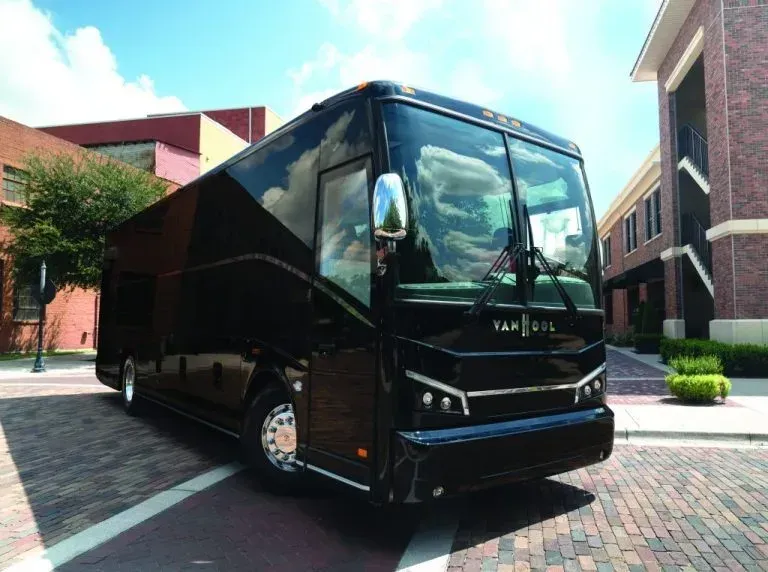
Planning transportation for a large group can easily become a demanding process when various schedules, pickup arrangements, and travel expectations need to be coordinated. Whether the gathering consists of corporate events, family festivities, organized outings, or special occasions, ensuring timely group arrivals demands strategic planning. A well-organized transportation strategy helps eliminate confusion, reduces delays, and creates a more enjoyable experience for everyone involved. By focusing on the critical factors involved in group transportation planning, organizers can create an efficient travel experience throughout the entire trip.
When large parties travel together, transportation plays a role that goes beyond simply transporting passengers from place to place. It plays a valuable role in shaping the complete event experience. Careful organization helps preserve timelines, strengthen participant communication, and improve overall travel comfort. At A1 Quality Express Limousine, we appreciate the importance of delivering organized transportation arrangements that support convenient and reliable group travel.
Initiate Transportation Planning Well Before the Event
Reliable group transportation starts with thoughtful preparation ahead of time. Postponing transportation decisions until the last moment can limit flexibility and make accommodations more challenging. Organizers should begin by determining the number of passengers, travel dates, estimated departure times, and destination requirements. Gathering this information early creates a solid foundation for making transportation arrangements that support the event's overall schedule.
Advance planning also allows time to identify potential challenges before they become problems. Traffic patterns, event schedules, pickup logistics, and passenger accessibility needs can all influence transportation plans. Taking care of these elements early allows organizers to implement transportation plans that keep travelers moving effectively. Careful planning regularly produces more efficient travel experiences with fewer complications.
Assess the Number and Needs of Participants
One of the primary aspects of group transportation planning is determining passenger numbers and specific requirements. Reliable attendance numbers contribute to selecting appropriate transportation options and maximizing efficiency. Attendance estimates should be confirmed early and adjusted as necessary as arrangements progress.
Apart from determining group size, attention should be given to the unique needs of participants. Different passengers may require additional baggage capacity, accessibility accommodations, or other forms of assistance. Identifying these needs enables organizers to customize transportation solutions effectively. Taking the time to gather comprehensive information helps create a more comfortable and efficient experience for all passengers.
Build a Structured Transportation Schedule
A clear transportation schedule serves as a roadmap for the entire group. Organizers should outline departure times, pickup locations, travel durations, arrival targets, and any planned stops along the route. Well-structured scheduling minimizes confusion and ensures all participants know their exact timing and place. Maintaining clarity and consistency is crucial when coordinating transportation for large check here groups.
Clear communication is essential for making transportation schedules successful. All passengers should be provided with transportation information prior to the event. Distributing itineraries via email, messaging apps, or printed documents ensures everyone stays informed. Clear expectations help transportation operations function more effectively and smoothly.
Create Unified Pickup and Drop-Off Locations
Managing multiple pickup locations can create unnecessary complexity for large-group transportation. When possible, coordinators should use unified pickup and drop-off points for participant convenience. Bringing participants together at one location streamlines boarding and reduces logistical delays. It also enhances communication and increases overall operational efficiency.
Centralized locations provide additional benefits by making it easier to account for all travelers before departure. Group coordinators can confirm attendance, provide updates, and address concerns before departure. This method supports preparedness and keeps transportation operations on track. Clear designated points strongly support a coordinated travel process.
Emphasize Clear Communication Across the Entire Process
Good communication is one of the key components of coordinated group travel. All group members should receive ongoing updates about schedules and changes. Reliable information ensures passengers can prepare without uncertainty. Strong communication increases both efficiency and overall satisfaction.
Organizers should ensure reliable systems for distributing information before and during travel. Communication tools such as messaging systems and emails ensure timely information sharing. In the middle of any successful transportation plan, communication remains the connecting element that keeps everyone informed and aligned. Consistent information sharing helps ensure smooth and uninterrupted travel.
Plan for Unexpected Circumstances
Even the most carefully planned transportation arrangements can encounter unexpected circumstances. Weather issues, traffic delays, schedule changes, and participant lateness may require fast decisions. Incorporating adaptability helps ensure smooth responses to unexpected events. Being prepared strengthens adaptability and keeps operations running smoothly.
Backup communication systems, alternative routes, and assigned contacts should be part of contingency planning. Defined procedures support calm and organized reactions to unexpected issues. Early planning supports continued efficiency despite modifications.
Prioritize Traveler Comfort and Ease
Passenger comfort is essential to a positive transportation experience. Large groups frequently travel for long durations, making comfort and convenience essential. Comfort-focused arrangements help create a pleasant journey atmosphere. A comfortable journey helps travelers arrive refreshed and ready.
Convenience is an important factor in smooth transportation management. Easy boarding systems, clear directions, and efficient scheduling reduce complications. Thoughtful coordination allows travelers to enjoy the event freely. A smooth and convenient trip often improves the overall success of the event.
Collaborate with Experienced Transport Providers
Managing large-group transportation requires coordination across many factors, making expert support beneficial. Expert providers are capable of handling schedules and coordinating group movement effectively. Professional experience helps ensure structured and dependable transportation planning.
Professional transportation teams often bring valuable insights that improve overall coordination. Their expertise in group travel supports proactive problem-solving. Professional assistance enables organizers to focus on the occasion while transport is handled efficiently.
Integrate Group Transportation Into the Event Experience
Transportation should be considered part of the event rather than just a way to travel. Proper coordination gives travelers time to unwind and connect before reaching their destination. Effective transportation planning improves the overall experience and fosters a professional atmosphere.
At A1 Quality Express Limousine, we are committed to thoughtful planning, clear communication, and passenger-focused service. Organizing large-group transportation does not need to be overwhelming when proper strategies are applied. Focusing on planning, organization, and comfort ensures a seamless travel experience for any occasion. We are proud to provide seamless travel experiences that give passengers confidence and ease.